03 / 09
Why Identity Verification and KYC Are Critical in Real Estate
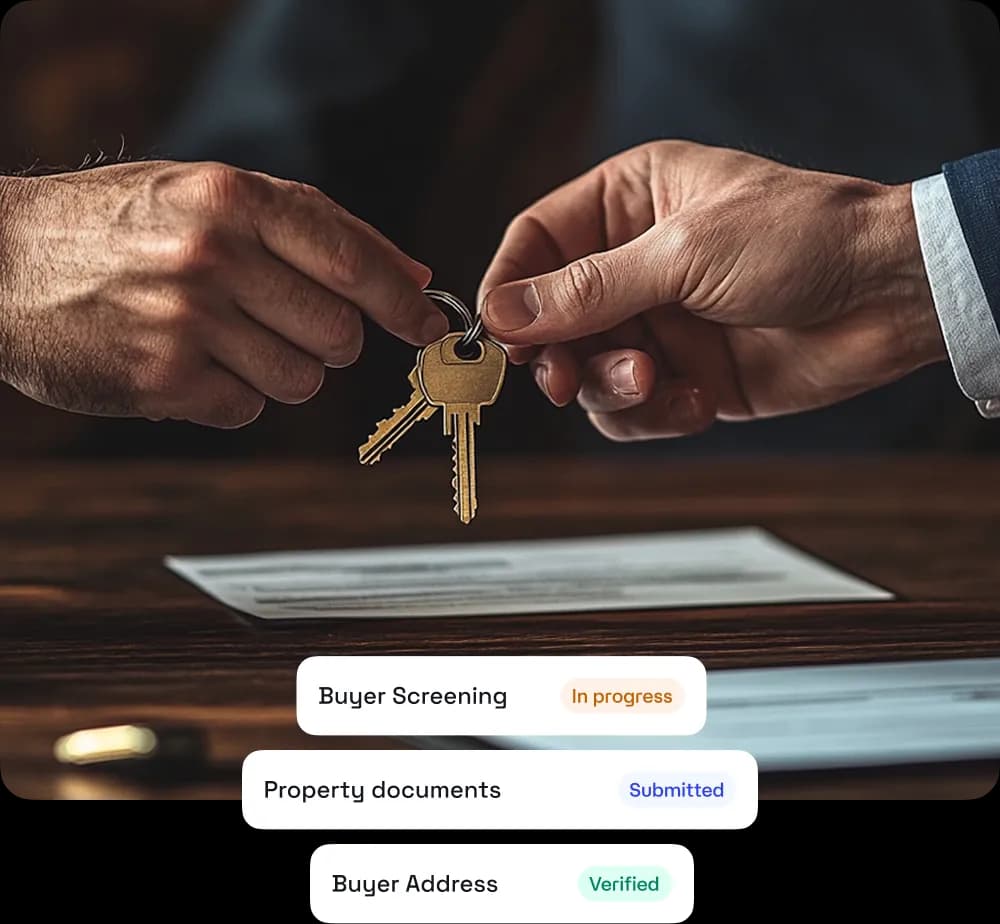
The real estate sector is increasingly targeted by fraudsters employing sophisticated tactics like seller impersonation, synthetic identities, and deepfakes. A 2024 report highlighted that 77% of real estate professionals observed a surge in seller impersonation, especially concerning vacant properties. Implementing robust Identity Verification and adhering to KYC regulations is essential to mitigate these risks and ensure transaction integrity. Advanced technologies, such as Artificial Intelligence and Machine Learning, can help differentiate between normal activities and suspicious transactions by analyzing historical transaction data during risk screening and monitoring.
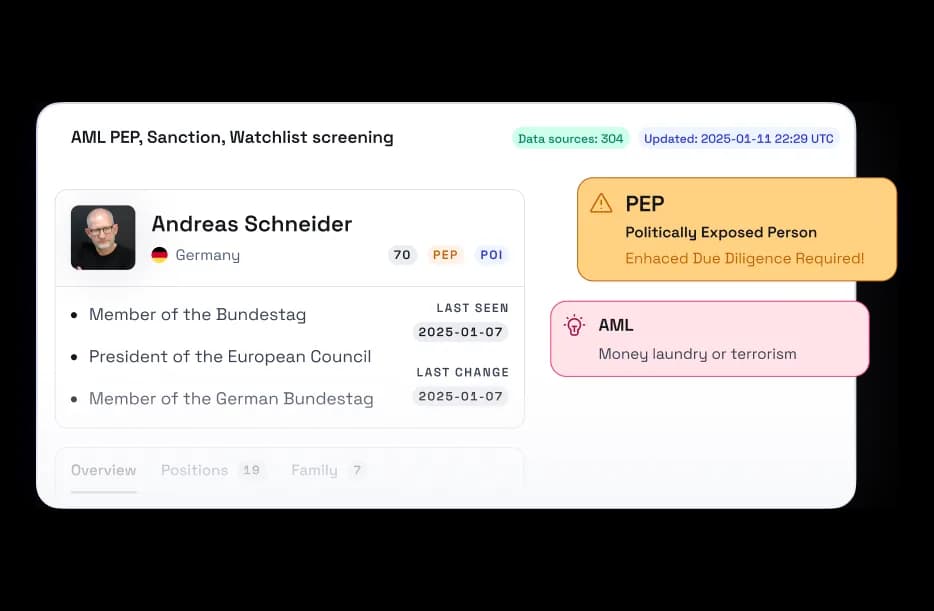
Bynn understands the complexity of real estate transactions, often involving multiple parties such as buyers, sellers, brokers, and legal entities, increases the potential for illicit activities like money laundering and terrorism financing. Fraudsters may use shell companies or artificially enhancing real estate values to launder illicit funds, making it critical for real estate firms to conduct enhanced due diligence. Bynn can therefore support real estate businesses by identifying ultimate beneficial owners to prevent the misuse of property ownership for illegal purposes.
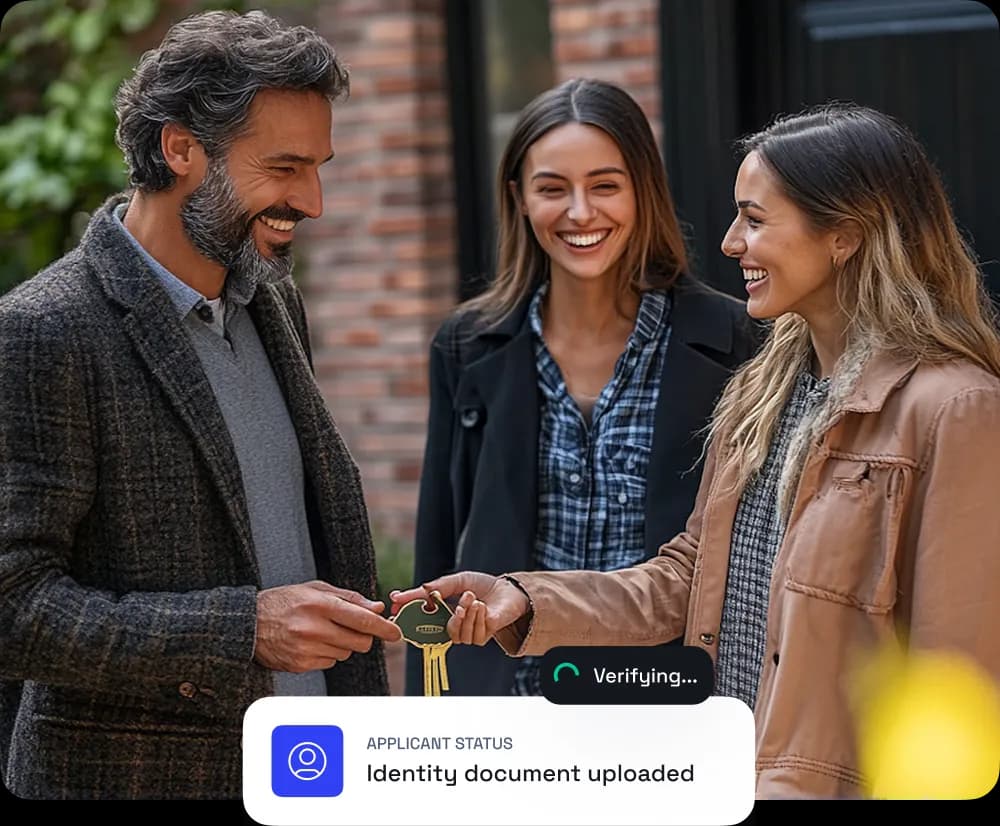
Real estate KYC regulations require firms to perform comprehensive risk assessments and ongoing monitoring to detect suspicious transactions and unusual patterns, such as cash purchases or transactions involving politically exposed persons (PEPs). Bynn specializes in this area and offers significant support to real estate businesses. Knowledge-based authentication and biometric verification methods, such as driver's licenses and facial recognition, add extra layers of security to accurately confirm client identities.
By adopting a risk-based approach and leveraging geographic targeting orders, real estate companies can better manage money laundering risks and comply with regulatory obligations. This proactive stance not only protects the real estate market but also safeguards the reputation of property developers, real estate agents, and title insurance companies involved in these financial transactions.