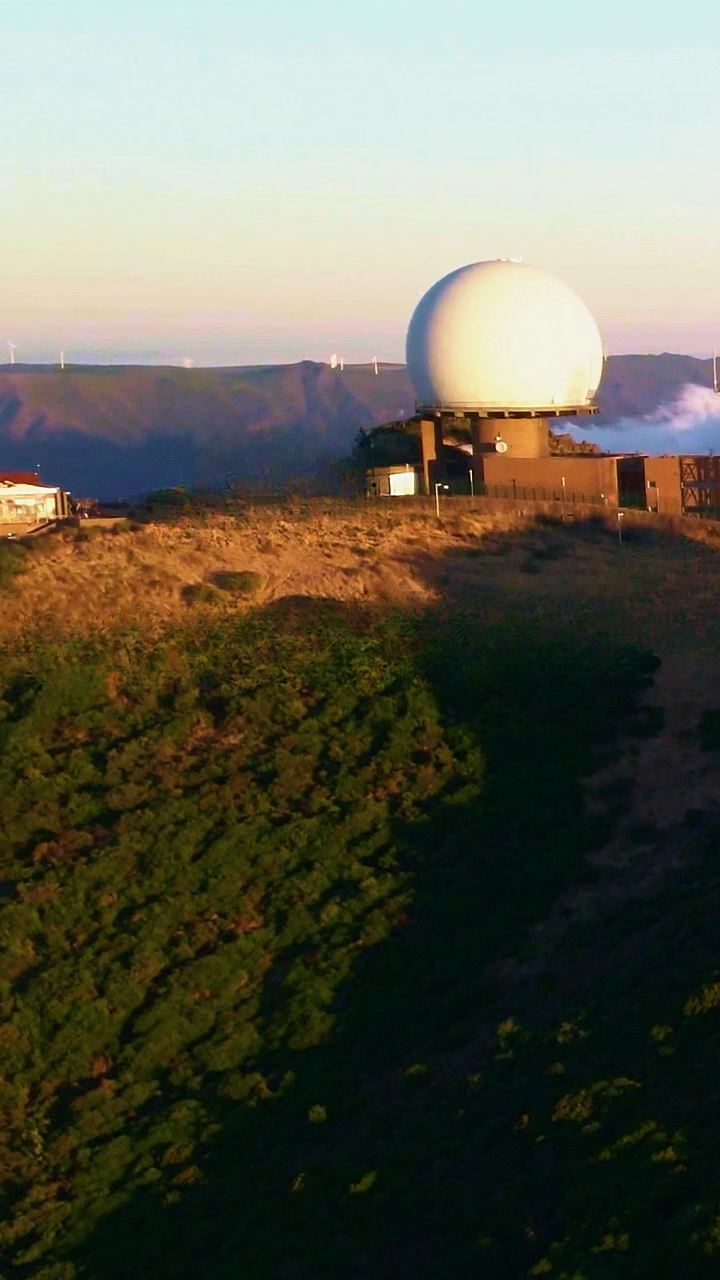
Explore DecisionNode's application in drone-detection and situational-awareness systems, including systems designed to recognize groups of drones.
Where this stands: Decisions for detection and situational awareness only. No weapons capability is offered.

Sample contactNorthern sector, contact 3
- Class: small droneConfidence: high
- Part of a group
Small drones have changed what has to be watched.
Inexpensive drones can approach bases, borders and critical infrastructure low and fast, alone or in groups. Operators watching sensor feeds have seconds to tell a drone from a bird, and one drone from a coordinated group.
The information environment has changed too. Generated video and audio are used to deceive, and analysts need to know what is authentic before they act on it.

What defense work demands
Speed with oversight
Detection has to keep pace with the threat while people remain responsible for every response.
Groups, not single objects
Recognizing that several contacts form one coordinated group changes how a threat is understood.
Authentic information
Decisions depend on media and reports that may have been fabricated.
Where AI does the work

Application direction
Drone detection
DecisionNode interprets sensor and camera inputs within detection systems and returns decisions about what has been observed.
Application direction
Drone-group recognition
Sessions keep context across a stream of inputs, so a system can recognize several contacts as a group rather than as separate objects.
Uses available products
Media authenticity for analysts
Detector24 models examine video, images and audio for generation and manipulation before they inform an assessment.
Research
Reconnaissance and humanitarian survey
Longer term, our autonomy research looks toward reconnaissance and helping identify mines and unexploded ordnance after conflict. This is an ambition, not a current capability.
From a sensor contact to an operator's screen
How DecisionNode fits within a detection system. It supplies decisions to the system; people decide on any response.
Cameras and sensors in the detection system report a contact.
DecisionNode classifies the contact and, across a session, whether it is part of a group.
The system presents the decision and its confidence to the operator.
Operators decide what happens next. DecisionNode has no weapons capability and controls no effector.
In
- Contact imagery
- Session history
Out
- Class: small droneConfidence: high
- Part of a group



Questions about defense applications
Does Bynn offer weapons capability?
No. DecisionNode supplies decisions about what sensors and cameras have observed, within detection and situational-awareness systems. No weapons capability is offered.
What does drone-group recognition mean?
Sessions keep context across a stream of inputs, so a system can recognize several contacts as one coordinated group rather than as separate objects.
Is this deployed with a named customer?
DecisionNode's role in drone detection is described at a high level. No customer, operation or performance result is claimed.
Other industries
All industries


Talk to Bynn about detection and awareness.
Discuss how a decision engine can support your detection systems, under your oversight.